Peliou New Materials Technology Co.,LTD
When you’re planning a new swimming pool, the pool wall is one of the most important parts. It must be strong, watertight, and easy to maintain. That’s why more people are choosing a pool wall PP welded pool.
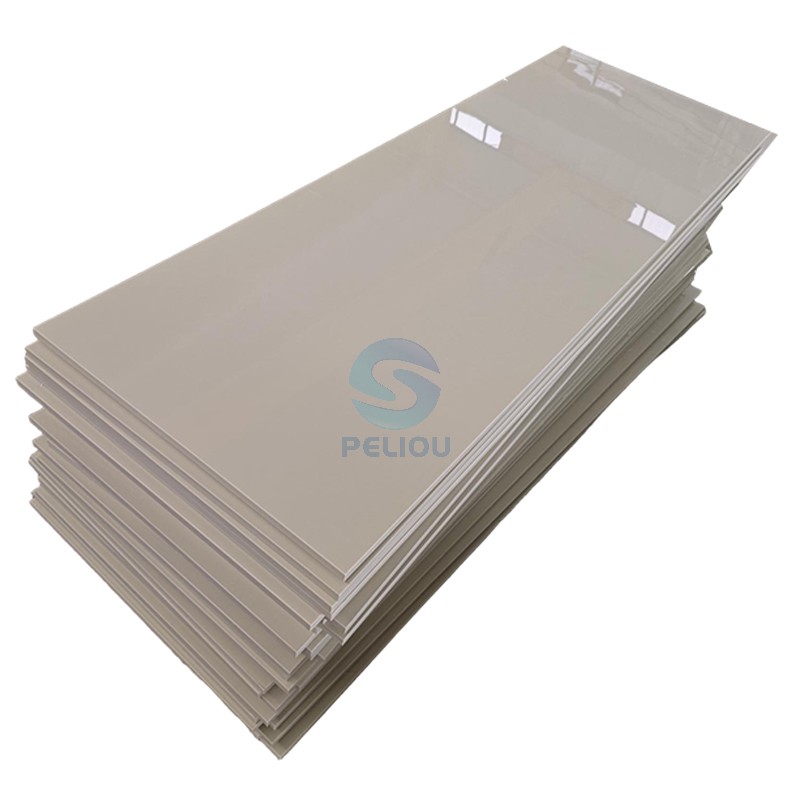
What Does “Pool Wall PP Welded Pool” Mean?
A pool wall PP welded pool uses polypropylene (PP) panels for the walls. These panels are welded together using heat – not glued or bolted. The welding creates a single, solid wall with no gaps or weak points.
Why Focus on the Pool Wall?
The pool wall takes constant pressure from water, soil (for in-ground pools), and swimmers. If the wall fails, you get leaks, cracks, or even collapse. With a pool wall PP welded pool, the welded PP material provides:
High impact resistance – No cracking under pressure.
Zero leaks – Welded seams are stronger than the panel itself.
Smooth surface – Algae and dirt have nowhere to hide.
Key Benefits of a PP Welded Pool Wall
One-piece wall structure – No separate liner, no joints.
Lightweight but strong – Easier to transport and install than concrete.
Flexible design – Build straight walls, curved walls, or irregular shapes.
Corrosion-proof – Never rust or rot, even with saltwater.
Fast repair – If damaged, a small weld fixes it instantly.
How Is a Pool Wall PP Welded Pool Installed?
Site preparation – Level the ground.
Panel placement – PP wall panels are positioned around the pool area.
Welding – Using hot air tools, workers weld each panel to the next.
Support structure – Add external braces (wood, steel, or aluminum).
Finish work – Install plumbing, filters, and coping.
The entire process takes 2–3 weeks for a typical residential pool.
Previous: Honoring Every Effort, Celebrating Our Partnership — Happy International Workers' Day 2026 Next: Blue MC Nylon Wheel
ODM & OEM
UHMWPE, HDPE, PP, Nylon, ABS and any Material
Customized Packaging
Graphic customization
Size & Color custom
