Peliou New Materials Technology Co.,LTD
Discover why marine-grade HDPE is revolutionizing boat building. From zero corrosion to impact resistance and easy repair, learn how our HDPE sheets outperform fiberglass, aluminum, and wood.
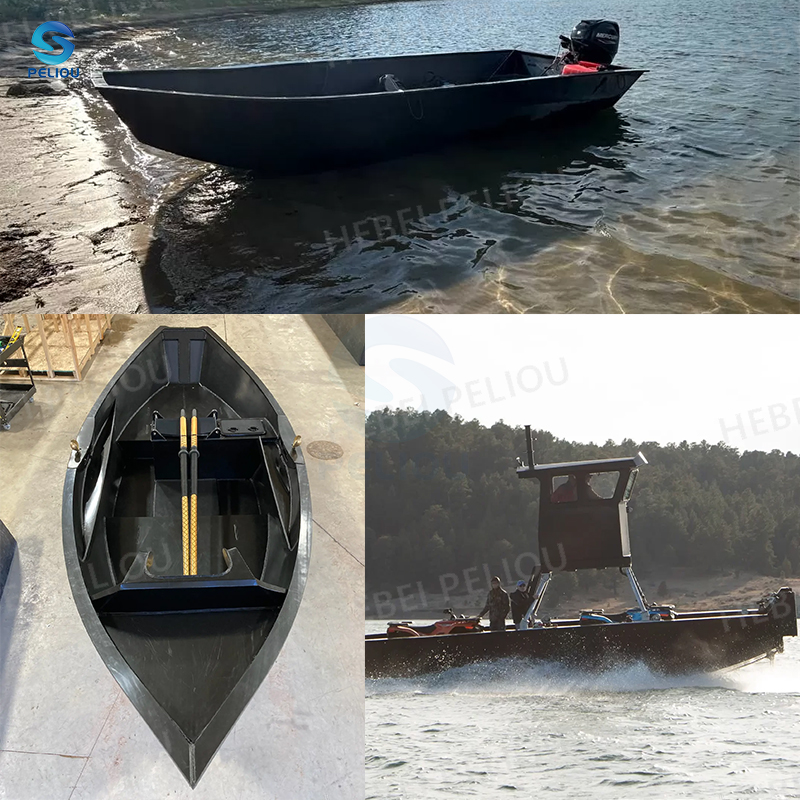
If you’re involved in boat design, commercial marine operations, or recreational boating, you know the material choice is everything. Traditional materials like fiberglass, aluminum, and wood have served us well, but they come with inherent headaches: osmosis blisters, corrosion, rot, and expensive annual maintenance.
So why are more naval architects, workboat fleets, and even leisure sailors switching to HDPE (High-Density Polyethylene)? The answer lies in its unique combination of toughness, zero-corrosion properties, and lifecycle cost savings. As a leading manufacturer of HDPE sheets, we see firsthand how this material is quietly reshaping the industry.
What is Marine-Grade HDPE?
HDPE is a thermoplastic polymer known for its high strength-to-density ratio. When we talk about marine-grade HDPE sheets, we refer to UV-stabilized, virgin-material panels specifically engineered to withstand extreme marine environments. Unlike backyard plastics, these sheets won’t become brittle under the sun or leach chemicals into the water.
6 Reasons HDPE is Superior for Boat Hulls and Structures
Here’s why HDPE is no longer just for kayaks and small dinghies—it’s being used for pilot boats, rescue vessels, and aquaculture workboats.
1. Zero Corrosion, Zero Osmosis
Aluminum boats suffer from galvanic corrosion; steel rusts; fiberglass absorbs water leading to costly blister repairs. HDPE is chemically inert. Saltwater, diesel, acids, and alkalis don’t affect it. You can beach an HDPE boat repeatedly without worrying about gel coat damage, because there is no gel coat to scratch.
2. Unbelievable Impact Resistance
HDPE doesn’t shatter or crack on impact like fiberglass. It flexes and absorbs energy, then returns to its original shape. In cold waters, where thermoplastics remain ductile, this flexibility prevents catastrophic hull failure if you collide with floating debris or ice. This toughness translates directly to crew safety.
3. True “Zero-Maintenance” Operation
Boat owners in Europe and North America are tired of sanding, anti-fouling, and waxing. An HDPE hull requires no painting. The color is solid throughout the sheet. Cleaning usually involves just a pressure washer. Over a 20-year service life, the maintenance savings alone can pay for the boat.
4. Excellent Welding and Repair Capabilities
This is a game-changer for remote operations. If an HDPE hull gets gouged, a certified welder can use an extrusion welder and a sliver of HDPE rod to fill the scratch—it’s a homogeneous repair. You aren’t trying to bond dissimilar materials with epoxy. The repaired section is chemically identical to the parent material, restoring full strength.
5. Lightweight and Buoyant
HDPE has a specific gravity of around 0.95, meaning it floats on its own. It’s lighter than steel and aluminum, allowing for better fuel efficiency or higher payload capacity. The material’s natural buoyancy also adds an inherent safety margin.
6. 100% Recyclable and Non-Toxic
In an era of strict environmental regulations, HDPE stands out. It releases no toxic substances into the water, and at the end of its long life, the hull can be recycled into new sheets, contributing to a circular economy.
Common Applications: Where Our HDPE Sheets Excel
Our clients use thick HDPE sheets (typically 10mm to 25mm) to fabricate:
Rigid Inflatable Boats (RIB) hulls
Custom workboats and barges
Pontoons and floating docks
Aquaculture pens and shellfish trays
Collision bulkheads and fenders
Why Source Your HDPE Sheets from HEBEI PELIOU?
The performance of an HDPE boat is only as good as the sheet it’s built from. Not all polyethylene is marine-grade. Here’s what we guarantee:
100% Virgin Material: We never use recycled or off-spec regrind that causes weld failure and stress cracking.
Precision Thickness & Flatness: Consistent sheet tolerance ensures perfect CNC cutting and butt-welding alignment.
Advanced UV Stabilization: Our proprietary UV package prevents chalking and embrittlement for decades of sun exposure.
Custom Sheet Sizes: We supply large-format panels to minimize the number of welds in your hull, saving labor and reducing potential leak paths.
Technical Support: We help naval architects select the right melt flow index and thickness for their specific structural requirements.
Ready to Build an Unsinkable Fleet?
The shift towards HDPE is a logical business decision. It reduces build time (no curing), eliminates lifetime maintenance costs, and produces a boat that can be recycled responsibly.
If you’re planning your next construction project and want to explore the benefits of premium HDPE sheets, contact our engineering team today. We ship globally and support builders with material samples and data sheets.
Previous: Back List Next: Are Supports Required Between the Ground and the Ice Board?
ODM & OEM
UHMWPE, HDPE, PP, Nylon, ABS and any Material
Customized Packaging
Graphic customization
Size & Color custom
