Peliou New Materials Technology Co.,LTD
Puzzle-style HDPE ground protection mats from Hebei Peliou New Materials Technology Co., Ltd. offer a practical, heavy-duty answer. Made from high-density polyethylene, these modular anti-slip mats use jigsaw-style edges that fit together like puzzle piec
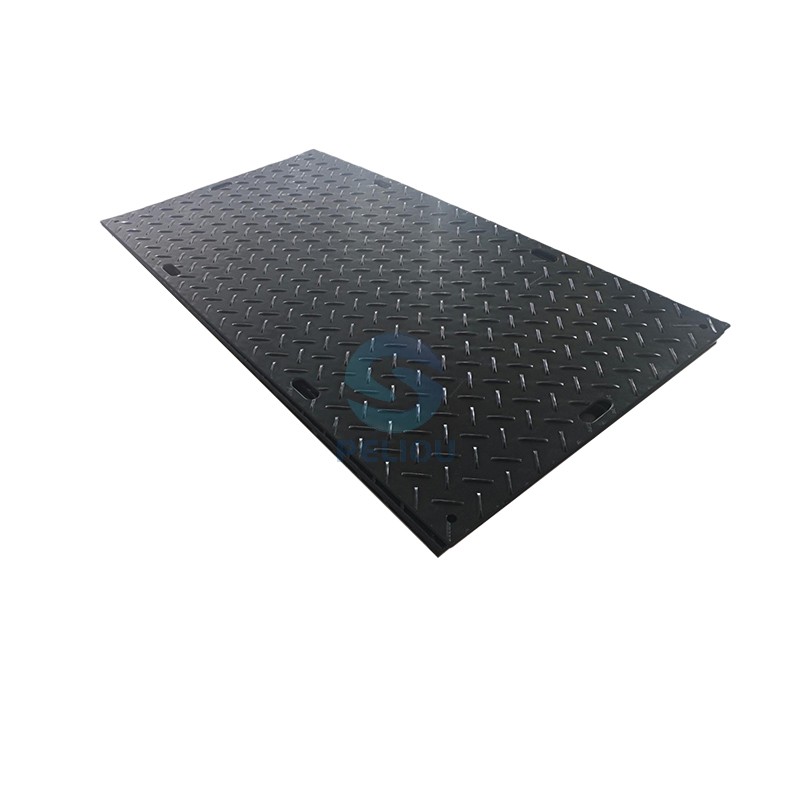
Warehouse floors take a beating. Forklifts make sharp turns. Pallets get dragged. Spills happen. Over time, concrete cracks, epoxy coatings wear through, and slip-and-fall risks climb. For facility managers, the question isn’t whether the floor will degrade—it’s how to protect it without shutting down operations or paying for a full resurfacing.
Puzzle-style HDPE ground protection mats from Hebei Peliou New Materials Technology Co., Ltd. offer a practical, heavy-duty answer. Made from high-density polyethylene, these modular anti-slip mats use jigsaw-style edges that fit together like puzzle pieces, creating a stable, removable floor surface that protects the substrate underneath while improving traction where people and equipment move.
Why Indoor Warehouses Need a Dedicated Ground Protection Mat System
Indoor warehouse environments present a specific set of flooring challenges that outdoor construction mats often overlook. Concrete dust creates slick patches. Forklift tires polish smooth floors over time. Condensation and occasional spills turn hard surfaces into slip hazards. Meanwhile, the subfloor itself—whether epoxy, sealed concrete, or tile—is expensive to repair and disruptive to replace.
A heavy-duty modular floor protection mat solves both problems at once. It shields the existing floor from impact, abrasion, and point loading, while its anti-slip textured surface gives forklifts, pallet jacks, and foot traffic a reliable grip. Unlike glued-down coverings or poured coatings, HDPE mats can be installed, reconfigured, and removed without damaging the floor beneath.
What Makes HDPE the Right Material for Warehouse Floor Mats
High-density polyethylene is not a generic plastic. It is an engineering material with a property profile that fits the demands of indoor logistics and storage environments:
Impact and wear resistance: HDPE absorbs shock and resists abrasion far better than wood, PVC, or thin steel plates, and it will not rot, warp, crack, or delaminate under repeated forklift traffic.
Moisture and chemical resistance: HDPE does not absorb water and stands up to common warehouse chemicals, oils, and cleaning agents.
Lightweight handling: A typical HDPE mat weighs a fraction of a comparable steel plate, so a single worker can reposition panels without a crane or lifting equipment.
Recyclability: HDPE mats are fully recyclable and can be reused across multiple layouts and facility changes, supporting sustainability targets without sacrificing performance.
For warehouse floors specifically, HDPE offers a balance that few other materials match: rigid enough to spread load, light enough to move, and stable enough to stay flat under rolling equipment.
How the Puzzle-Style Connection Improves Safety and Efficiency
The puzzle-style connection is the feature that turns individual mats into a continuous, shift-resistant floor surface. Each panel has jigsaw-cut edges with alternating tabs and recesses. Adjacent panels align and press together like puzzle pieces, so the joints hold the surface tight without separate pins, tools, or adhesives.
In a warehouse setting, this translates into three practical gains:
Faster installation without tools. Modular panels connect by hand and can cover a loading bay, aisle, or racking zone in a fraction of the time required for bolted or adhesive systems.
Stable load distribution. The connected surface spreads the weight of forklifts and pallet trucks across a wider area, reducing point stress on the subfloor and minimizing the risk of cracking or indentation.
Safer transitions. The puzzle-fit edges help keep panels flush and reduce trip edges between mats, while the raised anti-slip pattern maintains traction even when the surface is wet or dusty.
Built for Indoor Warehouse Work: Key Performance Features
Hebei Peliou’s puzzle-style HDPE mats are engineered with the realities of indoor logistics in mind. Depending on thickness and configuration, the mats deliver:
Load-bearing capacity suitable for forklifts, pallet jacks, and heavy storage equipment, with performance matched to the substrate and panel thickness.
Anti-slip surface options including embossed, textured, or grooved patterns for reliable traction in dry, damp, or dusty conditions.
Chemical and moisture resistance that protects the mat and the floor beneath from spills, cleaning solutions, and humidity.
Customizable dimensions and thicknesses to fit aisles, work cells, and racking footprints without excessive cutting or waste.
Because the mats are modular, a warehouse can start with a high-traffic zone—say, the main forklift aisle or the receiving dock—and expand coverage as needs change. There is no need to commit to a full-floor installation on day one.
Applications: Where Puzzle-Style HDPE Mats Deliver the Most Value
These mats are not limited to a single corner of the warehouse. Common indoor use cases include:
Forklift and pallet-truck aisles where floor wear and slip risk are highest.Loading and unloading zones that face concentrated impact and abrasion.
Racking and storage areas where point loads from shelving legs and heavy pallets can damage the slab.
Maintenance and assembly bays that require a clean, stable, chemical-resistant work surface.
Temporary overflow storage where a durable floor needs to be laid down quickly and removed just as fast.
The same puzzle-connect HDPE platform can also transition to outdoor use when needed—for example, as a temporary walkway or equipment pad—giving facility teams one material that works across indoor and outdoor transitions.
Previous: Back List Next: PPH Sheet for Chemical Tank: The Ultimate Material Guide
ODM & OEM
UHMWPE, HDPE, PP, Nylon, ABS and any Material
Customized Packaging
Graphic customization
Size & Color custom
