
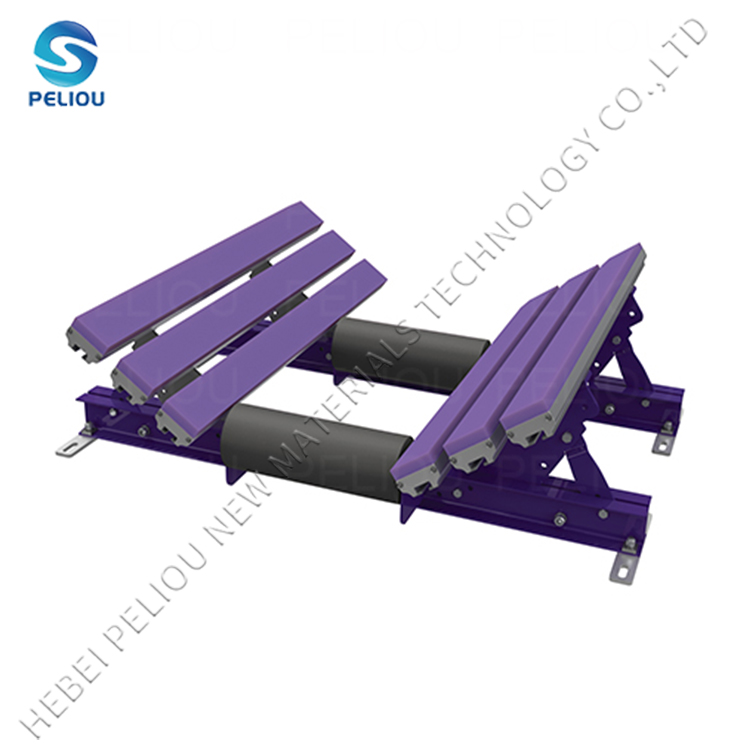
UHMWPE Conveyor Belt Impact Bars: A Practical Solution for Loading Zone Protection
Conveyor systems are essential for transporting bulk materials in mining, construction, cement production, manufacturing, and other industrial operations. At transfer points and loading zones, falling materials can create concentrated impact forces on the conveyor belt and its supporting structure.
These loading areas require careful consideration during conveyor system design. Without suitable support, repeated material impact may contribute to belt deformation, localized wear, and maintenance challenges.
UHMWPE conveyor belt impact bars are engineered components designed to provide support beneath conveyor belts at selected loading and transfer points.
Peliou offers conveyor belt impact bars made from UHMWPE, with customized size and color options. The product is intended for applications where impact support and conveyor belt protection are important design considerations.
Table of Contents
- What Are UHMWPE Conveyor Belt Impact Bars?
- Why Conveyor Loading Zones Need Impact Support
- Why Choose UHMWPE for Impact Bars?
- Key Benefits of Conveyor Impact Bars
- Industrial Applications
- Impact Bars vs. Conveyor Idlers
- How to Select Conveyor Belt Impact Bars
- Custom UHMWPE Impact Bars from Peliou
- Installation and Maintenance Considerations
- Frequently Asked Questions
- Contact Peliou
1. What Are UHMWPE Conveyor Belt Impact Bars?
UHMWPE conveyor belt impact bars are support components installed beneath conveyor belts in selected loading or material transfer areas.
Their purpose is to provide a supporting contact surface where bulk materials are transferred onto a conveyor. The bar structure helps distribute impact loads over a wider contact area, depending on the conveyor design and installation arrangement.
UHMWPE stands for Ultra High Molecular Weight Polyethylene. It is an engineering thermoplastic commonly considered for applications requiring wear resistance, low friction characteristics, and impact resistance.
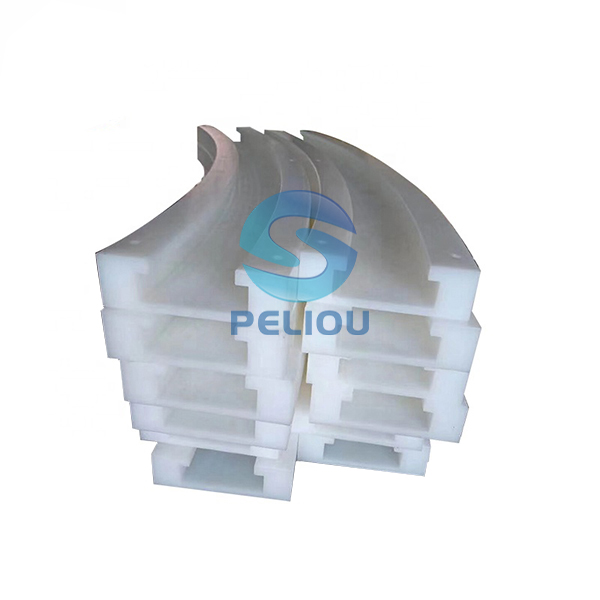
The dimensions, mounting arrangement, and number of impact bars required depend on the conveyor structure, belt width, material characteristics, and loading conditions.
Impact bars should be treated as part of a complete conveyor support system rather than as a standalone solution for every loading-zone problem.
2. Why Conveyor Loading Zones Need Impact Support
The loading zone is one of the areas that deserves particular attention when designing a conveyor system.
2.1 Concentrated Material Impact
When bulk materials fall from a chute or transfer point onto a conveyor belt, the impact force may be concentrated within a relatively small area.
The actual impact depends on factors such as material size, drop height, flow rate, and conveyor configuration.
2.2 Belt Deflection
A conveyor belt that lacks adequate support at a loading point may deflect under the weight and impact of incoming material.
Suitable support components can help maintain the intended belt profile, subject to the conveyor system's engineering design.
2.3 Localized Wear
Repeated contact with abrasive materials can contribute to wear on conveyor belts and support components.
Selecting suitable impact support materials is one consideration in managing wear at transfer points.
2.4 Spillage and Material Control
Poorly supported loading zones may affect material containment and transfer stability.
A properly designed conveyor loading arrangement should consider impact support, skirt sealing, chute geometry, and belt alignment together.
3. Why Choose UHMWPE for Impact Bars?
Material selection is important for conveyor impact support components because they operate in contact with moving belts and transported materials.
3.1 Wear Resistance
UHMWPE is widely used in applications involving sliding abrasion and repeated surface contact.
This characteristic makes it a material option for conveyor support components exposed to abrasive operating conditions.
3.2 Low Friction Characteristics
UHMWPE has naturally low friction characteristics compared with many conventional engineering materials.
For conveyor applications, the contact surface should be selected to suit the belt material, operating conditions, and system design.
3.3 Impact Resistance
UHMWPE offers good impact resistance, which is relevant for industrial components exposed to repeated mechanical contact.
The suitability of a particular impact bar should still be assessed against the actual loading conditions and required support geometry.
3.4 Moisture and Chemical Resistance
UHMWPE has low water absorption and resistance to many chemicals.
For conveyors operating in wet or chemically exposed environments, buyers should confirm the compatibility of the selected material grade with the actual conditions.
4. Key Benefits of Conveyor Belt Impact Bars
4.1 Support at Material Transfer Points
Impact bars provide a designated support surface beneath the conveyor belt in loading areas.
This support can help distribute contact forces across the installed bar arrangement rather than concentrating them at isolated points.
4.2 Help Protect the Conveyor Belt
Peliou describes its conveyor belt impact bar as a component intended to help prevent conveyor belt damage and distribute force more evenly at the loading point.
Actual protection depends on the complete system design, including bar arrangement, mounting, belt tension, and material impact conditions.
4.3 Replaceable Support Components
Impact bars can be designed as replaceable components within a conveyor support structure.
This may simplify maintenance planning when the support surface becomes worn or damaged, depending on the installation design.
4.4 Customized Dimensions
Conveyor systems vary in belt width, frame structure, and loading configuration.
Customized impact bar dimensions can help match the component to the required mounting space and support arrangement.
5. Industrial Applications of UHMWPE Conveyor Belt Impact Bars
5.1 Mining and Mineral Processing
Mining conveyors transport materials such as ore, aggregates, and other bulk products.
Loading and transfer points may experience repeated impact from falling material. UHMWPE impact bars can be considered for suitable conveyor support applications.
5.2 Cement and Construction Materials
Conveyors used in cement plants and construction material facilities may handle abrasive bulk materials.
Impact support components can be evaluated for loading areas where material transfer creates concentrated contact forces.
5.3 Bulk Material Handling Systems
Bulk material handling facilities often use conveyor belts to transfer materials between storage, processing, and transportation equipment.
UHMWPE impact bars may be used in selected conveyor loading zones where the required support design is compatible with the product.
5.4 Industrial Manufacturing
Manufacturing facilities may use conveyors to transport components, packaged goods, or raw materials between production stages.
Peliou lists machine parts and food industry applications for its conveyor belt UHMWPE product. The exact suitability of the impact bar for a particular production line should be confirmed with the manufacturer.
6. Impact Bars vs. Conveyor Idlers
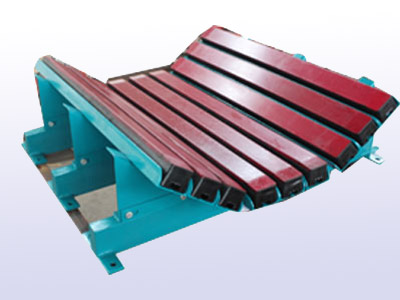
Impact bars and conveyor idlers serve different functions within a conveyor system. Their selection should be based on the loading-zone design and the required support arrangement.
| Comparison | UHMWPE Impact Bars | Conveyor Idlers |
|---|---|---|
| Basic Function | Provide a support surface at selected loading zones | Support and guide the moving conveyor belt |
| Contact Type | Sliding contact with the belt | Rolling contact |
| Typical Position | Loading and impact areas | Along conveyor carrying and return sections |
| Material | UHMWPE or specified support materials | Metal, polymer, or other roller materials |
| Maintenance | Inspect support surface and mounting | Inspect roller rotation, bearings, and alignment |
In some conveyor designs, impact bars are installed together with other support components. They should not be considered a universal replacement for conveyor idlers.
7. How to Select Conveyor Belt Impact Bars
Choosing the right UHMWPE conveyor belt impact bar requires an understanding of the conveyor structure and operating conditions.
7.1 Confirm the Conveyor Belt Width
The required impact bar length and arrangement should match the conveyor belt and supporting frame.
Provide the belt width and the available mounting dimensions when requesting a quotation.
7.2 Evaluate the Loading Conditions
Consider the transported material, approximate particle size, drop height, and expected impact conditions.
These factors influence the support arrangement and should be reviewed by the conveyor system designer.
7.3 Check the Mounting Structure
Confirm the available support frame, fastening method, and installation clearance.
The impact bar should fit the intended mounting structure without interfering with belt movement or other conveyor components.
7.4 Determine the Required Profile
Impact bars may require specific rectangular profiles, dimensions, or machining features.
Technical drawings or photographs of the existing support components can help clarify the required design.
7.5 Review Material Compatibility
The contact surface should be suitable for the conveyor belt material and the operating environment.
8. Custom UHMWPE Impact Bars from Peliou
Peliou offers conveyor belt impact bars made from UHMWPE for industrial conveyor applications.
When discussing a customized impact bar project with Peliou, buyers can provide:
- Required length, width, and thickness.
- Conveyor belt width and support frame dimensions.
- Mounting hole positions and fastening details.
- Required profile or cross-section.
- Operating environment and transported material.
- Color preference and order quantity.
- Engineering drawings or sample components.
9. Installation and Maintenance Considerations
Proper installation and inspection are important for maintaining the performance of conveyor impact support components.
9.1 Verify Installation Dimensions
Check the impact bar dimensions against the approved conveyor drawings before installation.
9.2 Inspect Fastening Points
Confirm that the mounting arrangement is secure and compatible with the support frame.
9.3 Check Belt Contact
Ensure that the installed support surface is aligned correctly and does not create unintended interference with the conveyor belt.
9.4 Monitor Wear and Damage
Regularly inspect the bars for wear, deformation, loose fasteners, or other visible damage.
9.5 Follow the Conveyor Maintenance Plan
Inspection intervals and replacement requirements should follow the conveyor manufacturer's recommendations and the facility's maintenance procedures.
10. Frequently Asked Questions
Q1: What are UHMWPE conveyor belt impact bars used for?
They are support components installed beneath conveyor belts in selected loading or transfer areas. Their purpose is to provide support and help distribute impact loads across the installed contact surface.
Q2: Why is UHMWPE used for conveyor impact bars?
UHMWPE offers wear resistance, low friction characteristics, impact resistance, and low water absorption. These properties make it a material option for industrial conveyor support components.
Q3: Can Peliou customize conveyor belt impact bar dimensions?
Yes. Peliou's official product page lists customized size and color options. Buyers should provide technical drawings or required dimensions for confirmation.
Q4: Are impact bars suitable for mining conveyors?
Impact bars can be considered for suitable loading-zone support applications in mining and bulk material handling systems. The actual product configuration must be evaluated against material impact conditions and conveyor design requirements.
Q5: Do impact bars replace conveyor idlers?
Not necessarily. Impact bars provide sliding support at selected loading zones, while idlers provide rolling support along the conveyor. Some conveyor designs use both components.
Q6: What information is needed for a quotation?
Provide the required dimensions, profile, mounting details, conveyor belt width, application, order quantity, and any relevant technical drawings.
Q7: Can UHMWPE impact bars be used in food industry conveyors?
Peliou lists food industry applications for its conveyor belt UHMWPE product. However, food-contact suitability depends on the specific material grade, processing, and applicable regulations. Buyers should request relevant documentation before selecting a product for direct food-contact applications.
11. Request a Quote for UHMWPE Conveyor Belt Impact Bars
Conveyor loading zones require suitable support components to manage impact, maintain belt support, and address operating wear.
If you are sourcing UHMWPE conveyor belt impact bars for mining, bulk material handling, industrial manufacturing, or conveyor equipment production, Peliou can discuss customized product requirements based on your drawings and application details.
Looking for Customized Conveyor Belt Impact Bars?
Contact Peliou to discuss your conveyor belt width, required impact bar dimensions, mounting arrangement, material requirements, and customized production needs.
Company: Hebei Peliou New Materials Technology Co., Ltd.
Email: info@plasticsuperior.com
WhatsApp: +86 186 3019 5563
Official Website: www.peliou.com
Send your technical drawings or conveyor support requirements to Peliou today and explore customized UHMWPE conveyor belt impact bar solutions.